
It seems there is something connoted by ‘wisdom’ in English that is appropriate to her praise in holy Scripture. For knowledge we understands as something limited in application (what good is all one’s knowledge if he does nothing with it, or knows not how to employ it, or perhaps even does not know its value);Continue reading “Wisdom the Storyteller”
Category Archives: Literary Criticism
A Winding Garden Toward Enlightenment or Despair: How Anna Karenina Cultivates the Mind, Bears Relevance, and Leads to Existential Crises
Foreword: Here follows a short paper I wrote for a university class on Tolstoy which attempted to answer the question: Is 150-year-old literature such as Tolstoy’s still relevant to a contemporary reader’s every-day life, and if so, how? I have edited it some, and have removed all major spoilers of the novel Anna Karenina, butContinue reading “A Winding Garden Toward Enlightenment or Despair: How Anna Karenina Cultivates the Mind, Bears Relevance, and Leads to Existential Crises”
Sweat and Blood to Save One’s Soul: The Principles of Work and Suffering in Čapek’s RUR
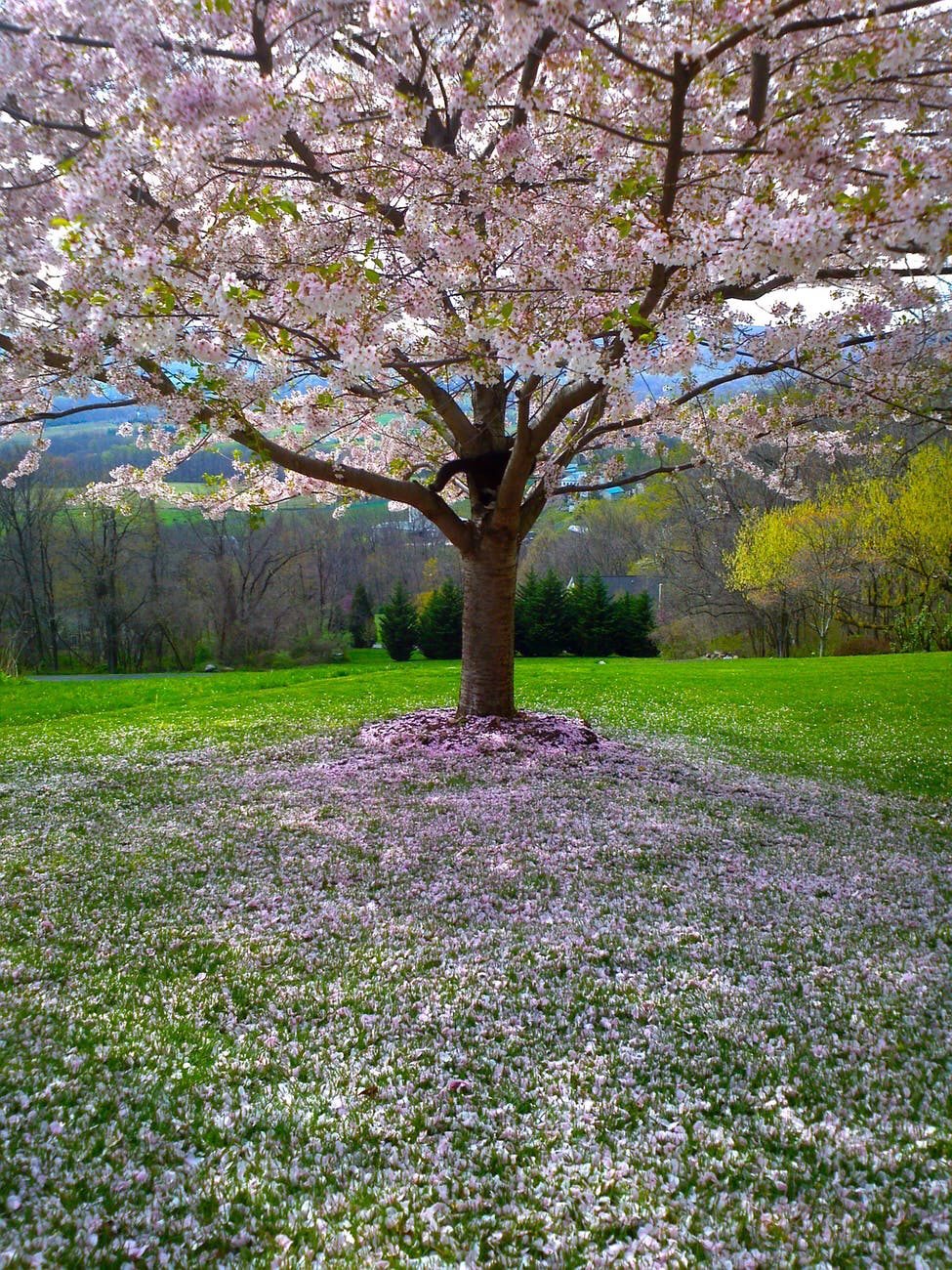
‘O Adam, Adam! No longer will you have to earn your bread by the sweat of your brow; you will return to Paradise, where you were nourished by the hand of God. You will be free and supreme; you will have no other task, no other work, no other cares than to perfect your being.Continue reading “Sweat and Blood to Save One’s Soul: The Principles of Work and Suffering in Čapek’s RUR”
Fitting Anna Karenina into a New Dress: Adaptation and Cinematic Technique in Anna Karenina (2012)

Foreword: Here follows a term paper I wrote last semester for my university class under Tolstoy scholar Ani Kokobobo, PhD. This should be of interest if you have read Anna Karenina, or seen the 2012 film adaptation (Keira Knightley), or both. I discuss not only the works themselves but the nature of adapting a bookContinue reading “Fitting Anna Karenina into a New Dress: Adaptation and Cinematic Technique in Anna Karenina (2012)”
Exploring Reality as Beauty: The Importance of Reading Fiction
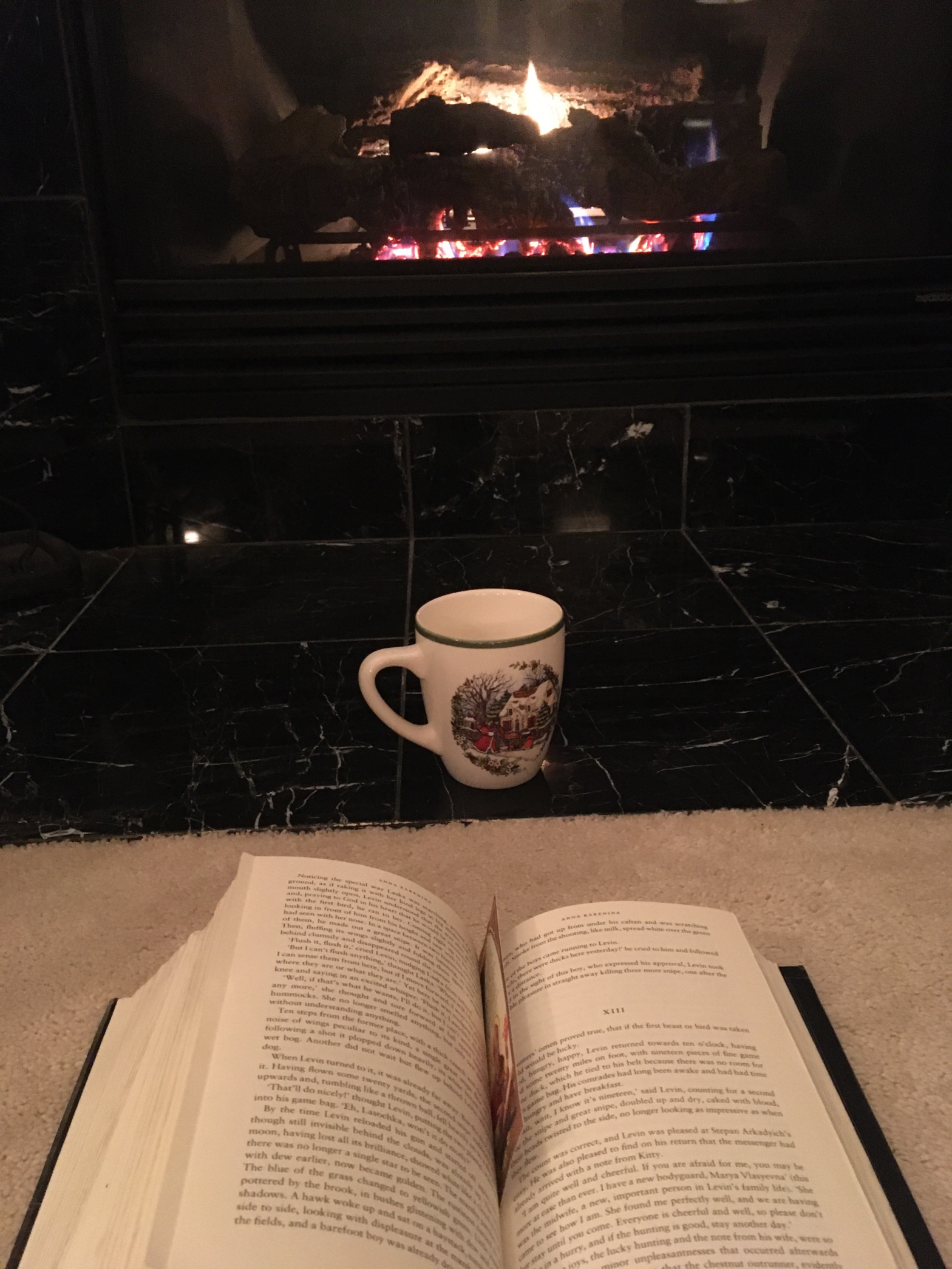
‘Reading is escape, and the opposite of escape; it’s a way to make contact with reality after a day of making things up, and it’s a way of making contact with someone else’s imagination after a day that’s all too real.’ Nora Ephron To many of us today, reading is a luxury, and reading fictionContinue reading “Exploring Reality as Beauty: The Importance of Reading Fiction”
Truth Answers Shame: A Brief Analysis of the Novel ‘A Personal Matter’
‘Pride is not the opposite of shame, but its source—true humility is the only anecdote to shame.’ This quote comes from the Iroh in the TV show Avatar: The Last Airbender, and I think it aptly describes the central theme of shame in Kenzaburo Oe’s novel, A Personal Matter. More accurately, the novel presents theContinue reading “Truth Answers Shame: A Brief Analysis of the Novel ‘A Personal Matter’”
Finding Happiness in Dystopia: Classical Notions of Freedom & Happiness in Zamyatin’s ‘We’
In his novel We, Zamyatin presents among his key themes the pursuit for happiness two opposing ideas of freedom. I intend to show the linkage between the concepts of happiness and freedom within We, arguing that Zamyatin presents something similar to the classical notions of these two things: That happiness is the personal experience oneContinue reading “Finding Happiness in Dystopia: Classical Notions of Freedom & Happiness in Zamyatin’s ‘We’”
 The Curious Critic